

Choosing a kitchen worktop is about more than finding a colour that complements the cabinets. The surface needs to cope with food preparation, spills, cleaning and the general demands of everyday family life.
Solid surface worktops are one option worth considering. They are particularly popular in kitchens where a smooth, coordinated appearance and flexible design are important. They also offer some practical benefits, although they need to be treated differently from materials such as quartz, porcelain or sintered stone.
Here are six reasons why a solid surface worktop could suit your new kitchen, along with a few limitations to understand before making your decision.
What Is A Solid Surface Worktop?
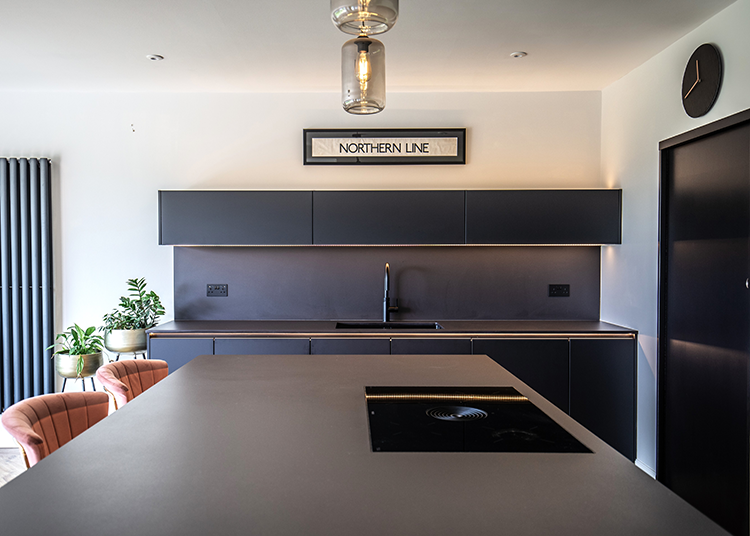
In this context, solid surface refers to a manufactured worktop material made using a blend of minerals and acrylic or resin-based binders. Well-known examples include Corian and HI-MACS, although several manufacturers produce similar materials.
The material is solid and consistent throughout its thickness rather than having a decorative surface applied over a separate core. It can be cut, shaped, joined and finished by a specialist fabricator to suit the kitchen design.
Solid surface should not be confused with quartz, porcelain or Dekton. These are different materials with their own strengths, appearance and care requirements. Our kitchen worktops guide provides an overview of some of the other options available.
1. A Smooth And Coordinated Appearance
One of the main attractions of solid surface is its smooth, understated finish. Sections can be joined using colour-matched adhesive before being sanded and finished, making the joins far less noticeable than they would be with many other materials.
This does not mean that every worktop is manufactured from one enormous piece or that joins will always be completely invisible. The finished result depends on the colour, pattern, lighting, layout and quality of the fabrication. However, carefully produced joins can create a more continuous appearance across longer worktop runs.
The same material can sometimes be carried into upstands, splashbacks or an integrated sink, helping different parts of the kitchen feel visually connected.
2. Plenty Of Design Flexibility
Solid surface is available in a wide range of plain colours, speckled finishes and patterns inspired by stone. This makes it suitable for both subtle and more distinctive kitchen schemes.
Lighter neutral shades can work well in a simple handleless kitchen, while deeper colours may create contrast against pale cabinetry. The material can also be shaped to form curves and softer corners that may be difficult to achieve with certain natural or sintered surfaces.
This flexibility can be useful when the room contains an unusual corner, a curved island or a bespoke feature. However, more complicated fabrication will normally affect the overall cost, so these details should be discussed during the design stage.
3. Easy Everyday Cleaning
Solid surface is non-porous, which means everyday spills remain on the surface rather than soaking into the material. Most routine marks can usually be removed using warm soapy water or a cleaner approved by the manufacturer.
The relatively smooth finish and lack of deep grout lines can also make crumbs and residue easier to wipe away. This is especially useful around sinks and food preparation areas.
Cleaning instructions can vary according to the manufacturer, colour and surface finish. Dark or high-gloss finishes may require more careful cleaning because abrasion marks, dust and smears can be more visible.
It is always sensible to follow the care information supplied with the worktop. Strong chemicals, unsuitable abrasive products and allowing certain spills to remain on the surface may cause discolouration or alter the finish.
4. Minor Marks Can Often Be Repaired

Solid surface worktops can be scratched, particularly when knives or other sharp objects are used directly on them. Darker colours and polished finishes may also make everyday wear more noticeable.
The advantage is that many light scratches and surface marks can be reduced or removed by refinishing the affected area. More substantial cuts, chips, cracks or heat damage may also be repairable by an experienced fabricator.
Repairability does not make the worktop indestructible, and attempting to sand it without understanding the required finish can leave an uneven patch. It is best to ask the supplier or fabricator for advice before carrying out anything beyond normal cleaning.
Using a chopping board will help protect both the worktop and your knives.
5. Integrated Sinks And Upstands Are Possible
Depending on the chosen material and design, a solid surface sink can be joined to the worktop to create a smooth transition between the two. This can produce a clean, contemporary appearance without the raised edge found around some inset sinks.
Coved upstands can also be formed to create a curved transition between the worktop and wall. This removes the sharp internal corner where dirt and water can otherwise collect.
These features are optional rather than standard. An undermounted stainless-steel or composite sink may still be more suitable for some kitchens, depending on the desired appearance, budget and how the sink will be used.
6. It Can Suit A Wide Range Of Kitchen Styles
Solid surface is often associated with modern kitchens, but it is not limited to minimalist designs. A plain worktop can provide a quiet backdrop for bold cabinetry, while a softly patterned finish can complement Shaker doors, timber details and more traditional colours.
Because the material is manufactured, samples generally provide a useful indication of the finished colour and pattern. Even so, it is worth viewing a larger sample where possible, particularly when choosing a darker or more heavily patterned surface.
You can also browse our completed kitchen projects to see how different worktops have been paired with German kitchen furniture, appliances and flooring.
Are Solid Surface Worktops Heat Resistant?
Solid surface materials can tolerate normal kitchen use, but they should not be treated as heatproof. Hot pans, oven trays, air fryers and other heat-producing appliances should not be placed directly onto the worktop.
Always use a suitable trivet or heat-resistant pad. Small appliances that become hot underneath should also be positioned in accordance with the worktop manufacturer’s care guidance.
Direct or prolonged heat can cause discolouration, scorching or cracking. This is one area where some alternative worktop materials may offer greater resistance, although manufacturers generally recommend protecting any kitchen surface from sudden or excessive heat.
Are Solid Surface Worktops Right For Every Kitchen?
Solid surface can be a strong choice when you value flexible design, inconspicuous joins, integrated details and the potential to repair everyday wear. It may be less suitable when maximum scratch or heat resistance is the main priority.
Before choosing, compare the material with alternatives based on:
- The way you cook and use the kitchen
- The required worktop colour and finish
- Whether you want an integrated sink or curved details
- Your tolerance for visible scratches and everyday wear
- The care and maintenance instructions
- The fabrication and installation cost
- The warranty offered for the chosen product
There is no single worktop material that is right for every home. The best choice is the one that balances appearance, practicality, maintenance and budget for the way your household uses the room.
Discuss Your Kitchen Worktop Options
Create German Kitchens can help you compare worktop materials alongside the cabinetry, appliances and wider kitchen layout. Considering these elements together makes it easier to select a surface that suits both the design and everyday use of the room.
To discuss your ideas or arrange an appointment at the Gomersal showroom, contact the team for an initial conversation.