“`html

Choosing a kitchen style can be difficult when you like elements of several different designs. Two of the most popular options are handleless kitchens, known for their clean lines, and Shaker kitchens, recognised by their framed cabinet doors.

Although they are often placed at opposite ends of the design spectrum, the distinction is no longer quite so simple. A handleless kitchen can feel warm and welcoming when paired with wood finishes and textured worktops, while a dark Shaker kitchen can look distinctly contemporary.

The right choice therefore depends on more than whether your home is modern or traditional. It should also reflect how you use the kitchen, how much visual detail you prefer and the overall atmosphere you want to create.

What Is A Handleless Kitchen?

A handleless kitchen has cabinet doors and drawers without conventional handles fixed to the front. Removing visible handles creates uninterrupted lines across the furniture and gives the room a streamlined appearance.

However, “handleless” can describe several different opening systems:

  • True handleless cabinetry uses a rail or channel behind the door or drawer front, allowing it to be opened from the top or side.
  • J-pull doors have a recessed grip formed into the cabinet front.
  • Push-to-open doors open when pressure is applied to the front.
  • Concealed edge pulls use a discreet grip that is difficult to see from the front.

These systems can look similar once installed, but they feel different to use. It is worth trying the doors and drawers in a showroom rather than choosing from photographs alone.

What Are The Advantages Of A Handleless Kitchen?

Clean And Uninterrupted Lines

The absence of visible handles allows the cabinetry to form a simple architectural backdrop. This can help a compact room feel less visually cluttered and works particularly well across long runs of cabinets or banks of tall units.

A Flexible Contemporary Look

Handleless furniture is commonly associated with modern kitchens, but it does not need to feel cold or clinical. Warm timber effects, muted colours, open shelving and softly patterned worktops can make the design feel more relaxed.

A handleless layout can also work well in an open-plan room because the cabinetry can resemble fitted furniture rather than a conventional working kitchen.

No Projecting Handles

Without handles extending from the cabinet fronts, there is less chance of catching clothing when moving around the room. This can be helpful in narrow kitchens and busy walkways.

It is still important to leave sufficient clearance between opposite units, islands, doors and appliances. Handleless furniture cannot compensate for a layout that is too restricted.

What Should You Consider With Handleless Cabinets?

Handleless does not necessarily mean maintenance-free. Fingerprints may be more visible on certain door finishes because the front is touched directly when opening it. Rails and recessed grips can also collect crumbs or dust and still need regular cleaning.

Push-to-open systems may not suit everyone, particularly on frequently used drawers or integrated appliances. Some people prefer the more positive grip provided by a rail or conventional handle.

The details can also affect accessibility. Someone with limited grip, hand strength or dexterity may find one opening mechanism easier than another. Testing the furniture before placing an order is therefore important.

What Is A Shaker Kitchen?

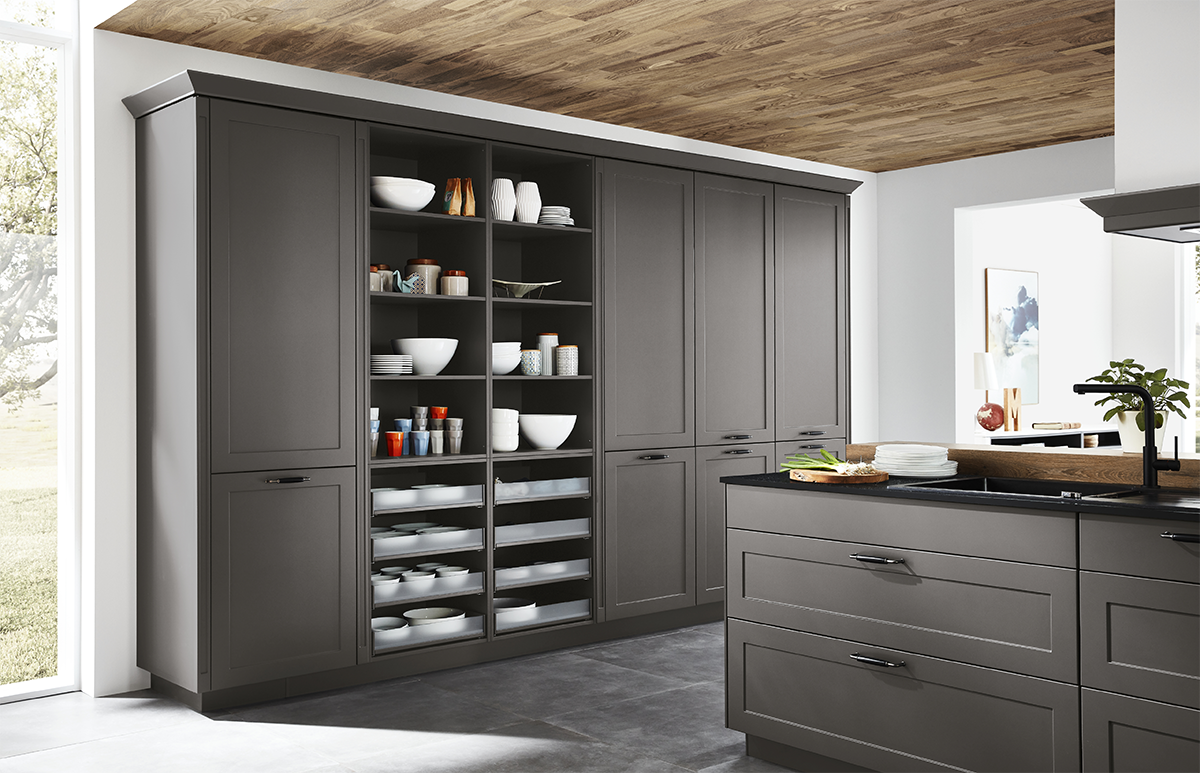
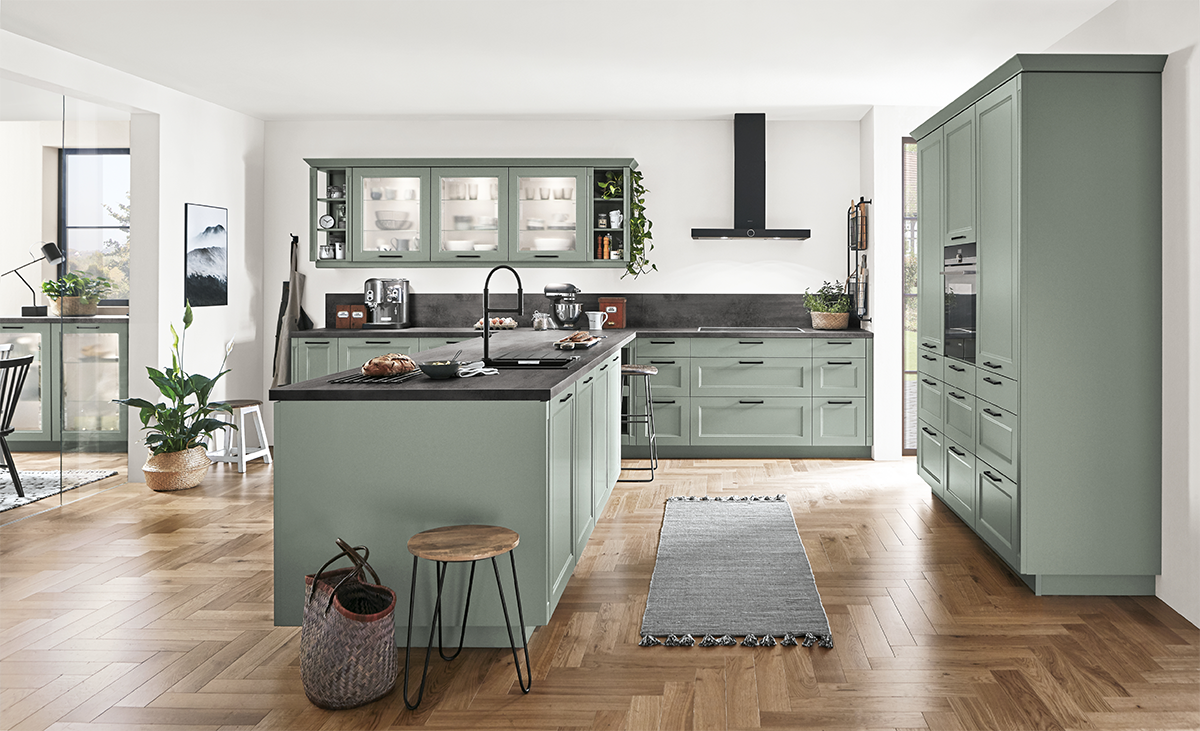
A Shaker kitchen is defined primarily by its cabinet doors. A typical Shaker door has a simple frame surrounding a recessed centre panel.

The style takes inspiration from traditional Shaker furniture, which was known for practical construction and restrained decoration. Modern kitchen manufacturers have adapted this appearance into a wide range of door colours, materials and proportions.

Some Shaker doors have a broad, substantial frame, while slimmer versions provide a more contemporary interpretation. The choice of handles, worktop and surrounding materials can change the character of the kitchen considerably.

Create German Kitchens offers German Shaker kitchen designs in both softer traditional schemes and stronger contemporary colours.

What Are The Advantages Of A Shaker Kitchen?

It Works In Different Types Of Home

Shaker cabinetry can complement period properties, country-style homes and modern extensions. It provides more detail than a completely flat door without relying on ornate mouldings or heavy decoration.

The surrounding choices determine whether the finished kitchen feels traditional or modern. Cup handles, timber worktops and a Belfast-style sink will create a different result from slim bar handles, quartz surfaces and integrated appliances.

Colour Changes The Character

White, cream and pale grey remain suitable choices, but Shaker cabinetry is not limited to light neutral colours. Deep blue, graphite, green and other richer shades can give the framed door a more confident and contemporary appearance.

A contrasting island is another way to introduce colour without using a dark finish throughout the room. The main cabinetry can remain neutral while the island becomes the focal point.

Handles Add Another Design Detail

The handles selected for a Shaker kitchen can make a noticeable difference. Knobs, cups, bars and textured handles each create a different impression.

Handles can also be replaced more easily than the cabinet fronts, allowing the appearance to be refreshed later without changing the entire kitchen.

What Should You Consider With Shaker Cabinets?

The frame and recessed centre create more edges than a flat handleless door. These areas may require slightly more attention when cleaning, particularly around cooking zones where grease and steam can settle.

Handle position also needs to be considered carefully. Poorly positioned handles can make wide drawers uncomfortable to open or disrupt the alignment of the cabinet fronts.

A heavily framed door combined with several decorative features can sometimes make a small kitchen feel busy. A slimmer Shaker profile, restrained colour palette and simple handles may work better where space is limited.

Handleless Versus Shaker Kitchens

The main differences can be summarised as follows:

  • Cabinet appearance: Handleless doors create smooth lines, while Shaker doors introduce a visible frame and recessed panel.
  • Overall character: Handleless kitchens often feel architectural and streamlined. Shaker kitchens tend to feel softer and more detailed.
  • Opening method: Handleless designs use rails, recessed grips or push mechanisms. Shaker kitchens normally use fitted handles or knobs.
  • Cleaning: Flat doors can be straightforward to wipe, but fingerprints and recessed rails may still need attention. Shaker frames create additional edges to clean.
  • Personalisation: Handleless designs can be personalised through colour, materials and rail finishes. Shaker kitchens also allow the handles to become part of the design.
  • Suitability: Either style can work in a modern or older property when the remaining materials are chosen carefully.

Which Style Works Better In A Small Kitchen?

A handleless design can help a small kitchen feel calmer because there are fewer projecting details across the cabinet fronts. Light colours and a consistent run of furniture can strengthen this effect.

That does not mean Shaker cabinetry should be avoided. A slim-framed door in a restrained colour can work well in a compact room, particularly when wall cabinets are kept to a minimum and the layout includes sufficient lighting.

The quality of the layout will usually matter more than the door style. Storage, walkway widths, appliance positions and available worktop space should be resolved before concentrating on decorative details.

Which Style Is Easier To Live With?

Both styles can work well in a busy household. The more useful comparison is between the exact door finish, opening system and layout being considered.

Before deciding, think about:

  • Whether you prefer gripping a handle or opening a recessed rail
  • How visible fingerprints may be on the chosen finish
  • Whether anyone in the household has accessibility requirements
  • How much visual detail you want across the room
  • Whether the kitchen is separate or part of an open-plan living space
  • How the cabinetry will work with the flooring, worktops and surrounding furniture

Visiting a showroom and opening full-size cabinets is the easiest way to understand the practical differences.

Can You Combine Handleless And Shaker Elements?

It is possible to combine different styles, but the result needs to feel deliberate. For example, Shaker cabinetry might be used in the main kitchen while simpler flat-front furniture is introduced in a utility room or concealed pantry.

A more subtle option is to choose one door style throughout and create contrast through colour, worktops, open shelving or a different island finish. This often produces a more cohesive design than combining unrelated doors in the same view.

The client’s completed kitchen projects show how handleless and Shaker furniture can each be adapted using different colours, worktops and room layouts.

Does One Kitchen Style Cost More?

Neither style is automatically more expensive. The eventual cost depends on the furniture brand, door material, finish, opening mechanism, cabinet specification and overall layout.

A premium handleless rail system may cost more than a straightforward handled door, but a specialist Shaker finish and carefully selected hardware can also increase the price. Appliances, worktops and installation requirements will normally have a significant influence on the total project budget as well.

It is therefore better to compare complete, itemised designs rather than making a decision based on the door style alone.

How To Choose Between Handleless And Shaker

Choose a handleless kitchen if you are drawn to simple lines, discreet opening systems and a more architectural appearance. Choose Shaker cabinetry if you prefer visible detail, the option to use decorative handles and a style that can move comfortably between traditional and contemporary interiors.

There is no universally correct choice. A carefully planned Shaker kitchen can feel clean and modern, while a handleless kitchen can be warm, colourful and full of character.

Create German Kitchens works with furniture from Nobilia, Schüller and next125, providing a broad choice of handleless, flat-front and Shaker-style options. To compare the finishes in person and discuss which approach suits your home, contact the team to arrange a showroom appointment.

“`